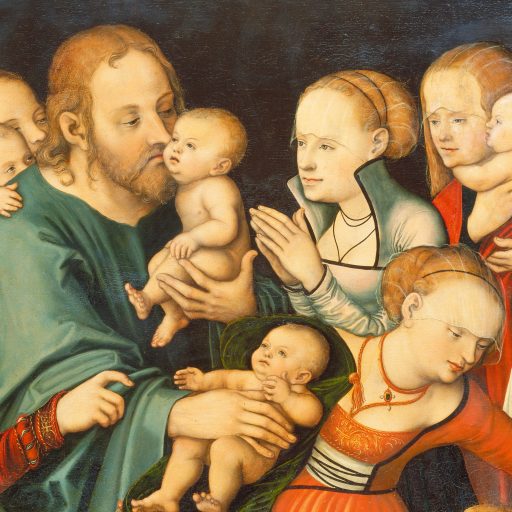
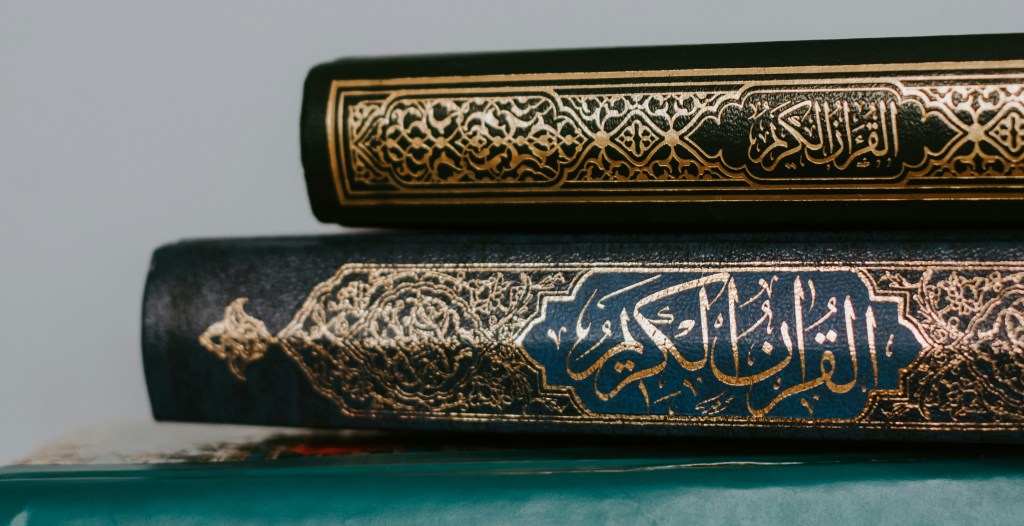
Our engagements with sacred texts are critical to how the family is interpreted, appropriated, and adapted in discourses for various audiences including the religious, political, legal, and social arenas.
The research will involve three main stages.
Stage 1: Sacred texts
We will explore passages in the Bible and the Qur’an where notions of the family are defined, expanded, and transformed through family relations such as adoption, parental rights, the status of slaves, notions of kinship/extended household, and the community itself as a symbolic family.
Stage 2: Colonial encounter and reception
We will bring together biblical and Qur’anic texts on select themes analyzing how they were received and interpreted during the period of colonial encounter. We will consider diverse voices represented in religious discourses, church documents, government declarations, and legal pronouncements which draw upon these sacred texts. We will examine a range of evidence including women biblical interpreters of the 19th century who challenged the status quo, records of British missionary societies, and discourses revealing the impact of secularism and the rejection of traditional notions of the Muslim family considering the adoption of European legal systems.
Stage 3: Modern impact of colonial legacies
The final stage will explore the impact of colonial legacies in shaping the lives of families in the modern day. Concentrating on few key examples such as international adoption or diverse perspectives on expanding families through marriages and partnerships, we aim to contribute to a greater understanding of the legacies of these sacred texts and the impact of Christian perspectives tied especially to a British Imperial context.
Learn more about this research project
 Dr. Margaret Y. MacDonald